Tag Archives: parenting

Coloring Pages…Helpful or Hurtful?

20140301-155652.jpg

Some childcare providers provide coloring pages to the children, and it’s quite a debate among caregivers. Personally, I’m against them. Professionally, I’m against them. Let me tell you why.

-no imagination required. How sad… Creative expression is a stress reliever for children, as well as a coping strategy for children processing a life transition. It also helps build young amazing minds that can solve problems and think outside the box.

-coloring in the lines is hard for many children and leads to frustration. Skills develop in time, and children can feel pressure to have a “better” picture than they are capable of producing.

-they require very little collaboration between peers. Working together to create a beautiful work of art can be very rewarding.

-they aren’t open-ended, meaning the activity of coloring is the only choice. When you have blank paper, you can create anything, and use anything.

My experience has shown some benefits for some children on occasion. When you’re at a restaurant with three young children waiting for food, the coloring pages keep the kids occupied. But as early educators, our job is to keep the children engaged as opposed to busy. There’s a big difference.

Occasionally, children who are difficult to reach will migrate to coloring pages as a task. The structure and predictability of having all those lines can offer a sense of security. But of course, so can the presence of a caring educator.

This is not meant as a judgement, just advice. Please consider the intended use of coloring pages before you offer them, especially all of you early educators out there.

https://www.facebook.com/pages/Jennifer-Cyr/304260446336822

Leave a comment

Filed under Uncategorized

Food Pouches…good or bad?

20140301-142445.jpg

One of the latest trends in baby and toddler foods are pouches. They offer a nutritious and highly portable option for feeding young ones. They require no specific temperatures for storage, and have a decent shelf life so they are great for travel. They are also a tidy alternative to messy baby food in a bowl. Many companies are offering these products made organically, and include super foods like kale and chia. And then there’s the independence that a pouch offers to a toddler who wants to do everything on their own.

So what’s the down side, you ask? They are expensive for one thing. Cost can be anywhere from $1.50 to $2.75 per pouch, depending on where you are located. The other downside is that while you can order your own refillable pouches, many of us don’t, and the one time use pouches are not recyclable in all areas. The other thing to consider is that more and more eating is happening on the go. Sitting down at the table is an incredible opportunity to connect with your family. In our hurry up world, we can’t afford to lose this critical family time. Besides, sitting down is the safest way for a toddler to eat.

Another drawback to offering pouches to older infants and toddlers is that they may develop a preference over solid fruits and veggies. What a shame for them to miss out on the variety of textures and flavors, not to mention the sensory experience that solid foods offer. Just think of the impact chewing food has on the jaw muscles. The muscles of the jaw need the workout and the sensory input.

I think it’s important to point out of couple of things here:

-most families willing to make the investment in pouches still value traditional sit down meals.
-many families still value the benefits of eating solid foods.
-many families who try to eat organic and whole foods are also the same folks who are trying to preserve the environment.
-pouches offer a nutritional option for travel and as a fast food alternative.

Bottom line, pouches can be a great part of a nutritious diet rich in variety and whole foods. Please use them wisely and responsibly. And please continue to offer solid foods as well.

https://www.facebook.com/pages/Jennifer-Cyr/304260446336822

Leave a comment

Filed under Uncategorized

Pacifiers…

20140120-210146.jpg

A pacifier serves a purpose, but you’ll be hard pressed to find a consensus among parents as to what that could be. Let me help you, infants are born with a natural need to suck. It’s how they learn to self-soothe, and it’s what allows them to nurse right away. A pacifier helps to meet this need.

A pacifier is a useful item in the beginning when infants are still learning to calm themselves. As they get a little older, 6 months or so, they begin to self-soothe in other ways. Guess what? The infant won’t need the pacifier as much. Take advantage of the opportunity to step back from pacifier reliance.

Slowly limit use to difficult transition times only, like bedtime. Also, stop bringing pacifiers out and about with you anymore. Tell your child it’s just for bedtime, and if they forget about it, that’s ok.

Depending on your child’s temperament, I would recommend removing all pacifiers from your child’s life by 18 months. At this point, they just don’t need it.

I know this sounds harsh, but the sooner the better in my experience. Speech, teeth, and self-regulation are all affected by the use (and overuse) of a pacifier at this point. Infants and toddlers also learn social cues by mimicking expressions of others. They can’t do that if they’re “plugged in”.

So prepare for a couple of grumpy nights, maybe more depending on your child, and toss out those pacifiers. You’ll be surprised how quickly your toddler gets over it, and you’ll be grateful not to be the parent of the 5 year old who is still using one!

*please keep in mind there are exceptions to every “rule”*

Developmental age and chronological age are not always in sync, and some children are under more stress than others. Use your judgement and help meet the needs (not necessarily wants) of your child in your own way.

https://m.facebook.com/pages/Jennifer-Cyr/304260446336822?id=304260446336822&refsrc=https%3A%2F%2Fwww.facebook.com%2Fpages%2FJennifer-Cyr%2F304260446336822#


Leave a comment

Filed under Uncategorized

Toilet Learning, aka Potty Training

20140108-234736.jpg

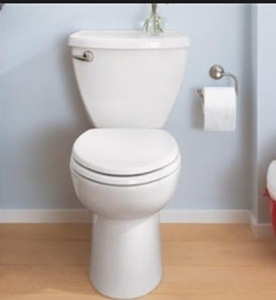
This is a hot topic for so many of you, and there’s so much advice out there…I don’t want to overwhelm anyone so I’ll keep it simple: Toilet learning is a natural process in which young children need to take the lead.

I’ve spent the majority of my career (15 years or so), working with two and three year olds. That’s a lot of diaper to pull-up to underwear transitions. I’ve learned that it is a child-driven process, that is only successful when children are truly ready.

Children who are “trained” (I really don’t like this word when talking about toilet use) early, 18 months or so, will regress and have frequent accidents. How do I know this? Seen it. Consistently. Toddlers will learn to hold their urine, and it will appear that they are potty trained. But after a few months, there will be frequent accidents. The walls of the bladder thicken, just like a bicep that’s been doing lots of curls . When it comes to your bladder, thicker is not better. Holding bowel movements is an issue too, leading to constipation and extra pressure on the bladder, among other problems.

So then there are the well-meaning parents who tell care providers that if they put little Johnny on the potty every 30 minutes, he won’t wet his underwear. First of all, does little Johnny want to spend his whole day in the bathroom? No, and logistically, a care provider just can’t do it. And then there’s the pressure he puts himself under, leading to anxiety and insecurity, and the disappointment he’ll feel when he wets his pants. Trust me, he will. No thank you.

The children I’ve seen have a positive and self-driven toilet learning experience have shown basic signs first. When they are ready, you’ll know. It won’t be a battle or power struggle. It’ll be a positive experience for everyone ultimately, leading to feelings of competence and success.

Signs:
The child shows an interest, either by modeling your behavior or talking about it.

Your child tells you when diaper is soiled, or recognizes when he/she is going.

Dry diapers over a 2 hour period or after nap.

A child has skills that will support toilet learning such as walk, talk, and pull up pants(try anyway).

Suggestions:
Encourage the use of a real toilet when interested…it’ll be so much easier when you are at the grocery store with a child who has to pee.

When you begin to see signs, ask if your child would like to use the toilet.

Expect interest to ebb and flow for a bit…it’s scary to learn a new skill. Also be aware that transitions in a child’s life (new baby, different routines, moving to new house) will affect this process greatly, often resulting in regression or holding. Just be patient.

Use the actual words for body parts (this will be important later on)

Avoid anger at accidents, use a matter of fact tone and let it go. Also avoid treats and rewards-no one gives me candy for using the toilet. Your child needs to internalize the feelings associated with accomplishment, which is less likely when a reward is used.

There may be the rare exceptions out there, but trust me, rare is the exception. Good luck! I hope this is helpful, especially since I said I’d keep it simple, and I really didn’t!

https://m.facebook.com/pages/Jennifer-Cyr/304260446336822?id=304260446336822&refsrc=https%3A%2F%2Fwww.facebook.com%2Fpages%2FJennifer-Cyr%2F304260446336822#

Leave a comment

Filed under Uncategorized

Hats, Mittens, and Boots! Oh my!

It’s that time of year again, and over the past few years, I’ve learned a few things about outerwear for toddlers and young children. Living in the northeast, it’s just part of taking care of children here.

1. Label it. Kids lose things, and we all tend to purchase similar items.

2. Avoid Velcro. It’s wonderful for so many things, but not for boots and mittens. Once it gets caked with snow, you’re done, the boots won’t close and neither will the mittens.

3. Boots with liners are helpful. Boots will get wet, filled with snow, and just plain stinky. Having removable liners will make it so much easier to dry out the boots and make them last longer. Just in case it’s too late, stuff newspaper into the wet boots and change it often. It works!

4. Look for more flexible mittens, and mittens with an elastic cuff. If a mitten is too thick or stiff, the kids will take it off more quickly. Kids want to stay warm, but they also want to pick things up and use their hands. They will choose to be cold.

5. Hats are just super fun! Get your kids wearing their hats in October and thru April so when it’s really cold, they’ll be ready.

I hope these hints are helpful! Let me know if you have any thoughts on outerwear for kids!

20131110-001802.jpg

Leave a comment

Filed under Uncategorized

Fake it!

So I’ve decided that a great way to beat the blues when you are with young children is to just fake it till you make it.

Before I figured this out, I did a couple of things: owned those feelings, shared those feelings, and took some deep breaths. You see, I was given sad news just before my work day started. I had to continue with my day, and luckily, we were able to splash in some mud puddles. The kids noticed that I was sad, and so I just said, “yes I feel sad” and guess what? They gave me hugs. After that, they went back to their mud puddle. Deep breathing and watching the splashes were just what I needed to clear my head.

The rest of the day, I tried to just be in the moment and enjoy. At times that it was more difficult, I chose to fake it. It worked, I faked being myself until I just felt like myself.

But seriously, mud puddles are like magic!

20131106-140522.jpg

Leave a comment

Filed under Uncategorized

The Day After Halloween…

The day after Halloween brings many teachers and childcare providers to tears.  The kids are cranky, tired, sugared, and overstimulated.  I couldn’t help but notice that the schools in our county are closed on November 1st this year.  Coincidence?  I think not, however I am open for business.  I expect the children to be cranky, tired, sugared and overstimulated.  I also expect that they need the comfort of a predicable routine and a calm atmosphere.  I intend to meet the needs of the children whether that includes lots of movement or an early nap.  Maybe the children need to pound on some clay or splash in some water.  I’ll find out tomorrow, but one thing is for sure, it will be a nice, regular, routine, and consistent day.  The children need it after all the excitement of the holiday.

Let me know how you handle the day after Halloween…do you hide?  eat lots of candy?  or if you’re a teacher, do you take a sick day?

20131031-205450.jpg

And this is my adorable but cranky, tired, sugared and overstimulated child… Can anyone tell me what he was for Halloween?

1 Comment

Filed under Uncategorized

Sick Days

Today I took a sick day, and it was just what I needed. There have been coughs and sniffles all around me, and though I’ve developed a slight case of the sniffles, I’ve been in denial. I’ve been feeling run down and tired, unfocused and scattered. So when I woke up this morning running late again, I decided to give in. I called the program parents and told them (get ready for this) the truth. They were wonderful and supportive.

I took not one, but two naps, enjoyed some warm tea, and stayed in my pjs till after my son got off the bus, yes, the bus. I used to feel guilt at the thought of a sick day, so many things I should be doing! I’ve discovered the secret to taking care of those things and all of the people in my life: taking care of me. Women and mommies in general tend to invest so much time and energy into others, and while admirable, we also ignore our own needs. Taking time for yourself will help you to be a better parent, teacher, neighbor, daughter, sister…you get the idea. Anyway, I had a guilt free and restful day. How do you take care of yourself?

20131029-210606.jpg

3 Comments

Filed under Uncategorized

Poop

There are days when it feels like all I do is change poopy diapers. But did you know that you can discern a lot about a child by their elimination habits. Temperament tends to coincide with bowel movements. For example, a slow-to-warm-up or fearful young child may be irregular or infrequent with elimination. These children also tend to hold their waste in stressful situations or transitions. Children with an easy-going or flexible temperament will be more regular and predictable in their bowel movements.

Of course, this is not a hard and fast rule, but it sure seems to be the case for many of the children I’ve worked with over the years. (And some adults too!)

2 Comments

Filed under Uncategorized

Who am I?

Though this is my first blog post, I’m no stranger to sharing my opinion. I am an early educator who has worked with young children, children of many ages, since I was a teenager. I was a camp counselor, a nanny, a baby sitter, an after-school staff, a pre-school teacher, and now a family child care provider in my home. And of course, I’m a mom. That is my biggest role, and it’s one of the reasons I decided to leave my job at a center. My child is learning so much from my program. I love that he is bonding with the kids, but I also love being available when he needs me. I also think it’s important that he see me as more than just his mom. 

Over the years, I’ve learned so much, and cultivated values and ideas that I hope to share with all of you.

Image


1 Comment

Filed under Uncategorized